 SOLANA
 OpenSea
In terms of whether NFTs are halaal or haram, Islam is usually taught with the intention of fitting into the world’s ever-changing demands, said Shukla.
The world is in the midst of a digital revolution and with it, the way we think about value is shifting. The application of nonfungible tokens (NFTs) to represent and transmit religious values and principles is one of the most fascinating manifestations of this new perspective.
The NFT is a very new technology, but there’s a lot of excitement about its potential. There’s also a lot of enthusiasm for the possibilities that NFTs provide in various sectors, including education and religion. The ability of NFTs to help teach and pass on religious values and beliefs is particularly fascinating.
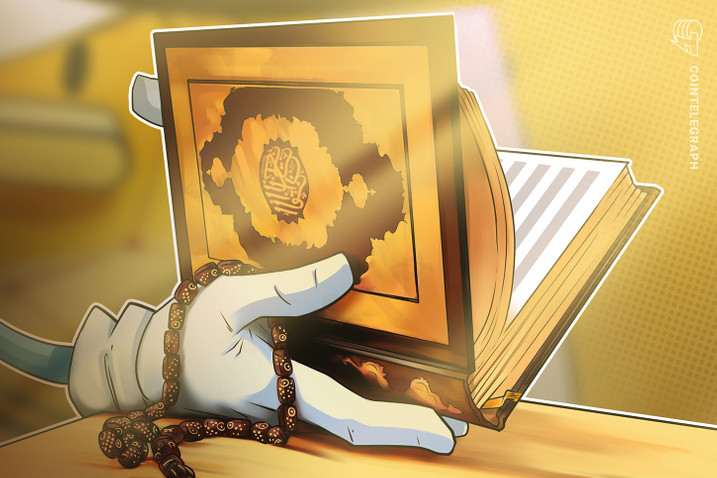
Cointelegraph caught up with Deepali Shukla, the founder and managing director at MetaDee, a new London-based NFT marketplace that just launched exclusive handwritten Quran NFTs dating back to the beginning of Islam. The unique Quran manuscript, believed to have been composed between 632 and 1100 A.D., is now kept by the Custodian Family in Saudi Arabia. The copies have been authenticated and verified by the University of Oxford’s Research Laboratory for Archaeology and the History of Art (RLAHA) after a thorough investigation.
Shukla, a long-time collector and admirer of art, told Cointelegraph that she was compelled to connect the physical and virtual realms. She noted that in the NFT realm, a digital art token serves as the equivalent of the actual artwork. While explaining the role of NFTs in Islamic societies, she highlighted that:
NFT and Islamic education: A new frontier to teach religion?
Related Articles


comments disable